How To Find A Hit And Run Driver Georgia
Finding The Driver Isn’t Your Only Option
Discover effective strategies and legal support from The Dressie Law Firm, LLC on how to find a hit-and-run driver, ensuring justice and compensation.
The Initial Steps After A Hit and Run Collision
Taking the right steps immediately after a hit-and-run in Georgia protects both your safety and your legal claim. Knowing what to do next makes a real difference, both for your well-being and for any case that may follow.
- Assess your safety and health first. Check yourself and any passengers for injuries before anything else. Even if you feel fine, seek medical attention promptly, some injuries, like concussions or soft-tissue damage, may not show symptoms right away. Your well-being comes before any documentation.
- Document the accident scene. Once you’re safe, gather as much detail as you can about the other vehicle, make, model, color, and any portion of the license plate number. Note the direction the driver fled, and scan the area for surveillance cameras on nearby businesses, traffic lights, or residential properties that may have captured the incident. If any witnesses are present, ask for their contact information.
- Report the incident to the police right away. Contact law enforcement as soon as possible. In Atlanta, hit-and-run cases are specifically handled by the Atlanta Police Department’s Accident Investigations Unit. The sooner a report is filed, the sooner investigators can begin reviewing footage, canvassing the area, and building a record. Give officers a thorough, accurate account of what happened. This report typically becomes a key document when you file an insurance claim or pursue compensation.
- Consult an attorney. Reaching out to an experienced hit-and-run attorney early in the process can help protect your rights and strengthen your claim, including understanding your legal options and dealing with insurance companies. The sooner legal help gets involved, the better positioned you are.
Hit-and-run cases can feel overwhelming, but you don’t have to navigate them alone. That process typically includes preserving evidence, negotiating with insurers, and holding negligent parties accountable wherever possible. Acting quickly gives your case a stronger chance of a meaningful resolution.
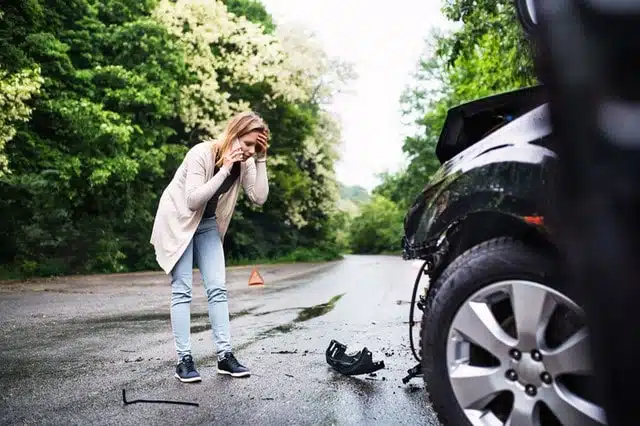
Gathering Evidence To Track Down The Driver
When a hit-and-run occurs, acting quickly to collect evidence can make a meaningful difference in identifying the responsible driver. Every fragment of information, a partial license plate, a vehicle description, a bystander’s recollection, is a potential lead. Evidence can disappear fast, so the steps you take in the immediate aftermath matter.
Evidence At The Scene
Start by documenting everything you can before the scene changes:
- Photos and videos: Capture images of vehicle debris, skid marks, paint transfers, and the surrounding area from multiple angles.
- License plate details: Note any full or partial plate numbers that you or nearby witnesses recall, along with the vehicle’s make, model, and color.
- Eyewitness accounts: Collect statements from anyone nearby as soon as possible, memories fade quickly, and early accounts are generally more reliable.
Surveillance Footage And Online Resources
Retrieving video from nearby surveillance cameras, on businesses, traffic signals, or residential properties, is typically one of the most effective ways to identify a hit-and-run vehicle. Footage from dashcams on other vehicles in the area can also be valuable. Tips can also be submitted anonymously to Crime Stoppers of Greater Atlanta, which frequently offers cash rewards in these cases. Beyond physical evidence, a search of social media platforms and community forums may turn up posts about the incident.
Collaboration With Law Enforcement
Involving law enforcement promptly gives your case access to investigative tools and databases that are not available to the public. Police can run partial plate numbers, pull traffic camera footage, and issue alerts for suspect vehicles. In cases where the driver remains unidentified despite initial efforts, a licensed private investigator may also help uncover leads, and local police can request assistance from the Georgia Bureau of Investigation in especially complex cases.
A driver who leaves the scene has a legal obligation they chose to ignore, and that failure carries serious consequences under Georgia law. Outside Atlanta, jurisdictions like the Gwinnett County Police Department handle these investigations locally. Building the strongest possible evidentiary record means that when the driver is identified, you are in a stronger position to pursue the compensation you deserve.
Legal Actions After A Hit-and-Run
After a hit-and-run, Georgia law and your insurance coverage become central to your path forward. Under Georgia law, drivers may carry Uninsured/Underinsured Motorist (UM/UIM) coverage under O.C.G.A. § 33-7-11, which can provide compensation when the at-fault driver is never identified. If you have a UM policy, you may be able to seek compensation directly from your own insurer rather than waiting for police to locate the driver.
When insurance alone falls short, a civil lawsuit may be necessary. Building a case from the ground up means gathering evidence, identifying liable parties, and presenting compelling arguments. Hit-and-run cases typically raise layered liability questions that take real work to untangle.
Good representation does more than handle paperwork, it means standing beside you from the initial investigation through every stage of litigation, guiding you through the nuances of an insurance claim or a personal injury lawsuit.

What Working With An Attorney Looks Like
The aftermath of a hit-and-run can leave you dealing with far more than physical injuries. The emotional weight of not knowing who hurt you, combined with mounting medical bills, lost wages, and insurance pushback, can feel overwhelming.
Insurance companies can be reluctant to pay what you’re actually owed, especially in hit-and-run cases where liability isn’t immediately clear. Having an experienced car accident attorney by your side helps level the playing field. Understanding how these cases work is what makes it possible to pursue the full compensation you may be entitled to for your injuries, losses, and pain.
Here’s what that typically looks like:
- Personal attention: Taking time to understand the specific situation, injuries, and concerns behind each case, rather than running a claim through a one-size-fits-all process.
- Legal experience: Hit-and-run cases involve layers of complexity, from uninsured motorist coverage disputes to evidence gathering and dealing with law enforcement timelines.
- Pursuit of fair compensation: No promises about outcomes, but firm commitment to fighting for what’s deserved, whether that means negotiating aggressively with insurers or taking a case further.
Legal representation exists so you don’t have to face that fight alone. That means keeping you informed, answering your questions honestly, and making sure you understand every step of the process.
If you’re wondering whether it’s worth pursuing a claim when the driver hasn’t been found, the answer is often yes. Hit-and-run crashes remain a documented concern across Georgia, a pattern reflected in the state’s own Strategic Highway Safety Plan. Georgia law generally allows those affected by a hit-and-run to seek compensation through their own uninsured motorist coverage, and in some cases, other avenues may be available depending on the facts.
When You’re Ready To Talk
Acting quickly matters, evidence fades, witnesses become harder to reach, and filing deadlines under Georgia law may limit how long you have to bring a claim. Whatever stage you’re at right now, whether you reported the accident yesterday or weeks ago, understanding your options is the first step.
If you or a loved one has been hurt by a reckless or negligent driver, know that the law may be on your side, and so is The Dressie Law Firm, LLC.
To learn more, you can reach out to schedule your free consultation.
Georgia Hit-and-Run Driver Questions Answered
1. What must a driver do after a crash in Georgia?
A driver must stop, give their name, address, plate number, and license number, help anyone who is hurt, and notify police if anyone is injured or killed.
2. Can a hit-and-run conviction affect a driver’s license?
Yes. A hit-and-run conviction counts toward habitual violator status when a driver has a third conviction within five years.
3. How long do I have to file a lawsuit after a hit-and-run?
Georgia generally allows two years to file a personal injury lawsuit (O.C.G.A. § 9-3-33). Some exceptions apply, so confirm the deadline for your case.
4. How do I get a copy of my crash report in Atlanta?
You can pick up the report from the Atlanta Police Department’s Central Records Unit or buy it online.
5. How common are hit-and-run crashes?
No. The Atlanta Police Department lists traffic accidents among the incidents to report by calling 911, not online.
The Dressie Law Firm, LLC Can Help You
Contact us today to schedule your free consultation!


